New Year Declutter: How to Decide What to Keep and What to Toss
The start of a new year is the perfect time to reset your home, your mind, and your routines. But if your space feels cluttered, knowing where to start can feel overwhelming. That’s why we’re breaking it down: what to toss, what to keep, and how to make decluttering actually stick.
Why Decluttering Matters
Decluttering isn’t just about having a tidy home. It’s about creating a space that supports your life, reduces stress, and makes daily routines smoother. A clutter-free environment can even improve your focus, sleep, and mental clarity.
So before you reach for another storage bin, let’s make sure you’re keeping what truly matters and letting go of what doesn’t.
Step 1: Gather a Category
Before you make decisions, it helps to see the full picture. Pick a category like clothes, kitchen items, or paperwork and gather everything in one spot.
This does two things:
Shows you how much you actually have
Makes it easier to identify duplicates or items you never use
Step 2: The Method
A classic, tried and true strategy is the three pile method. For each item, ask:
Do I use it regularly?
Do I love it?
Does it serve a purpose?
Keep
Items you use at least once a month
Items that bring you joy or have sentimental value
Multi-purpose items that truly make life easier
Toss
Broken, stained, or expired items
Duplicates you never reach for
Things you’ve been holding onto “just in case” for years
Donate or Sell
Clothes you no longer wear but are still in good condition
Kitchen gadgets you rarely use
Books, decor, or household items that don’t fit your current style or life
Tip 1: If you haven’t used it in the last 12 months, it’s usually safe to let it go.
Tip 2: If it will be $20 or under to replace it if you find yourself needing it down the line, let it go now and repurchase later.
Step 3: Organize
Once you’ve decided what to keep, the next step is organizing so that your space is functional.
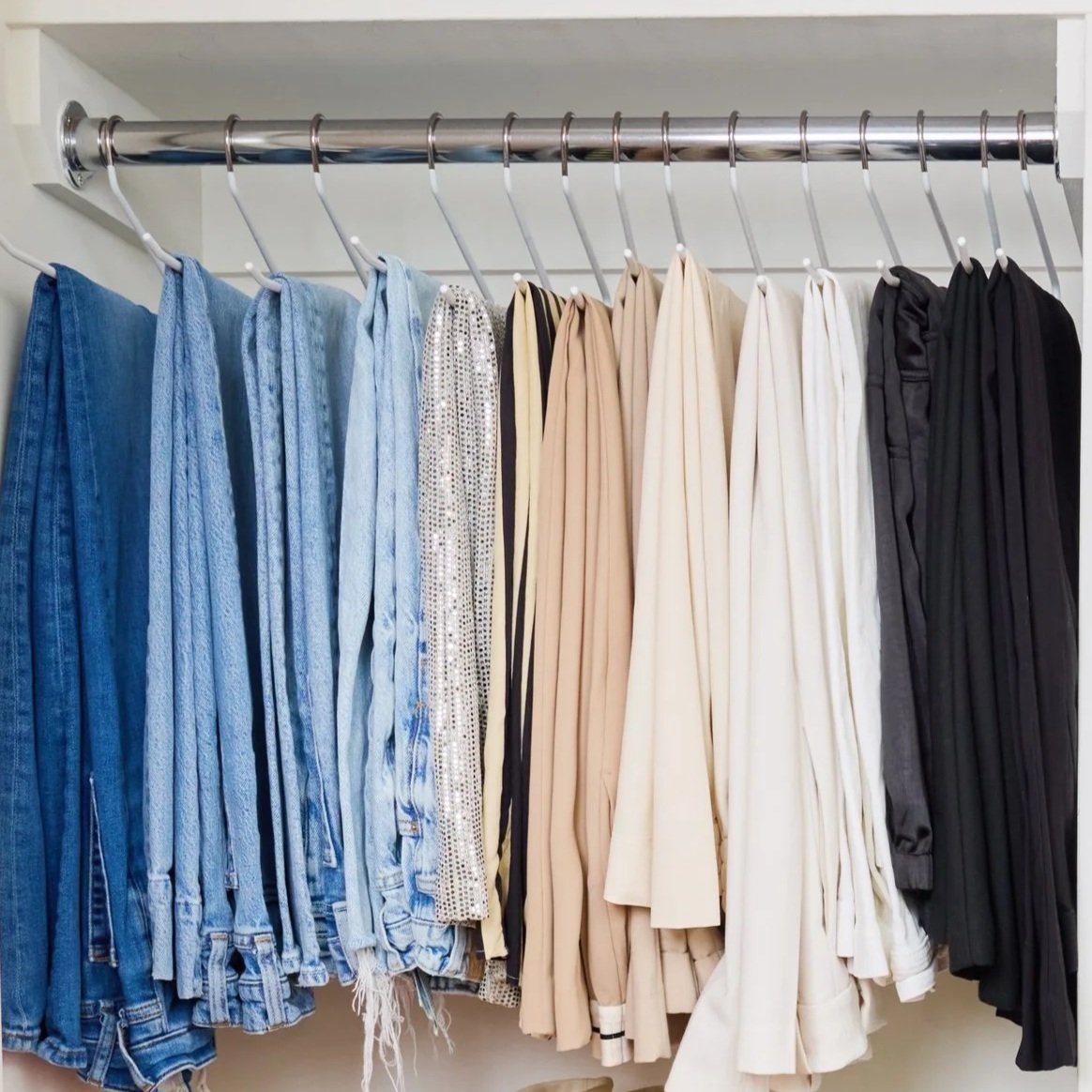
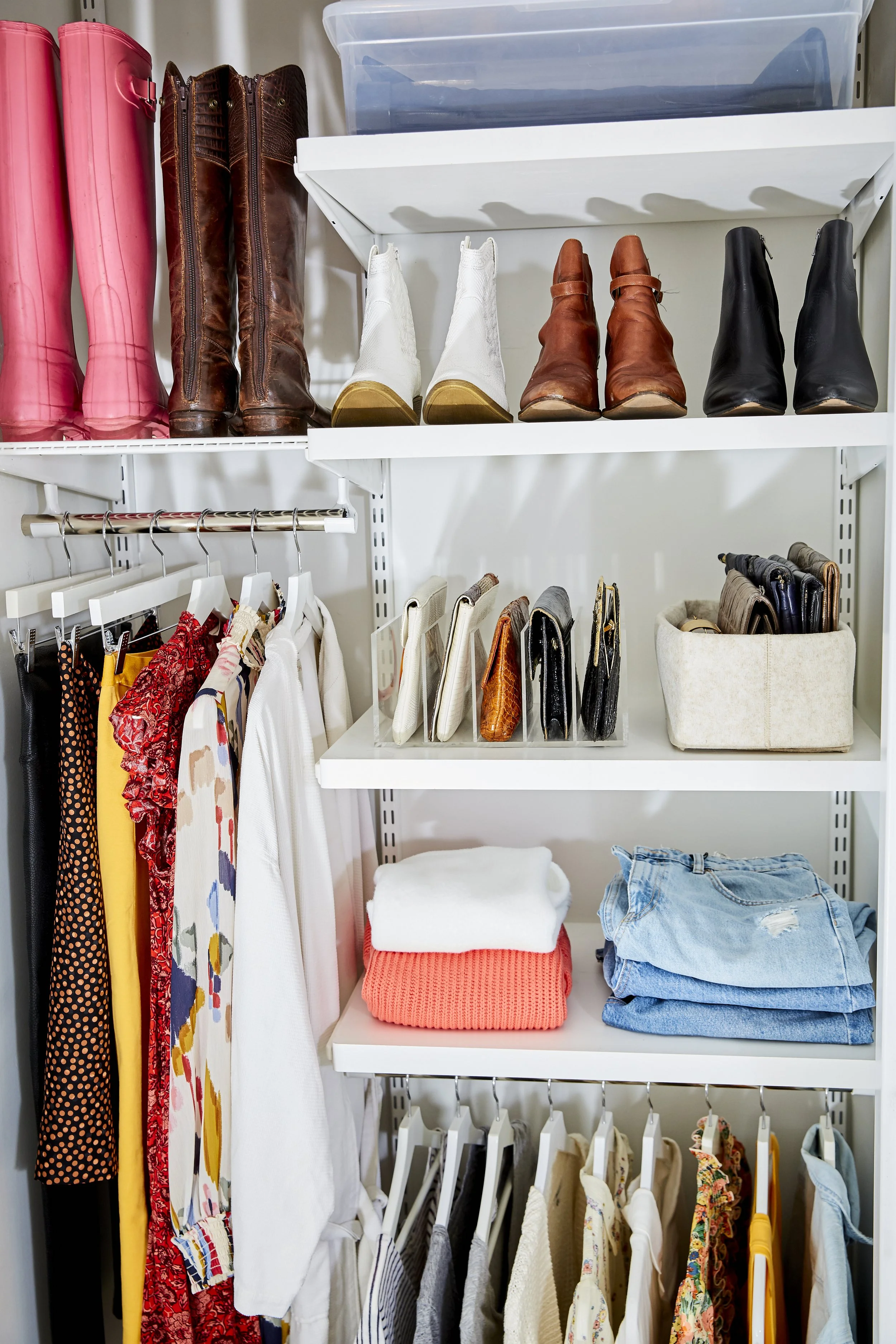
Clothes: Hang by type of clothing and color for easy access
Kitchen: Store items by frequency of use; daily items front and center, specialty gadgets tucked away
Paperwork: Digitize where possible and use labeled folders for the rest
Step 4: Create a Routine
Decluttering doesn’t have to be a one time event. Try small, consistent steps:
Monthly: Tidy one category or area
Seasonally: Donate items you haven’t used
Annually: Reassess your possessions at the start of the year
This keeps clutter from building back up and keeps your home feeling fresh all year.
The new year is a chance to start over, not just with resolutions but with your home. By consciously deciding what to toss, what to donate, and what to keep, you’re setting yourself up for a more organized, stress-free year.
And if you want a professional touch, hiring a professional organizer can transform your home efficiently, saving you time, stress, and guesswork. Book a Shelfie Session today!